The Most Underrated Travel Destinations in the World (According to AI)

Randy Allen
June 19, 2026 · 8 min read
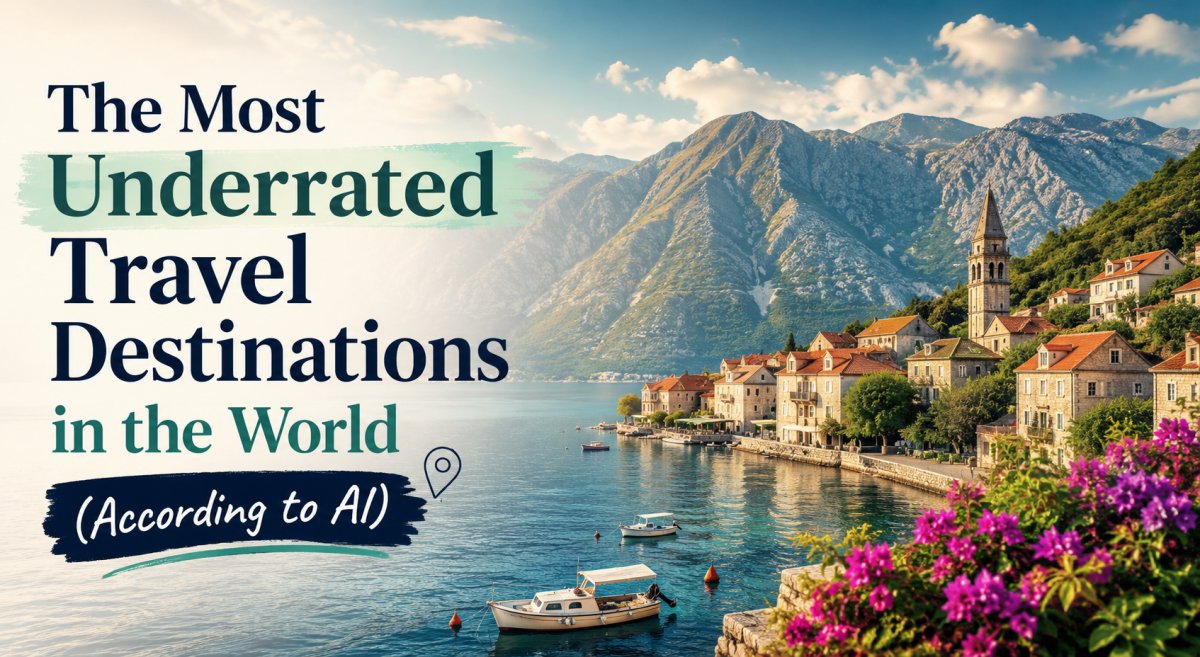
Everyone's been to Rome. Everyone's seen the Eiffel Tower photos. But when we asked Lily, Ribbit's AI travel planner, to think beyond the obvious, she didn't hesitate. These six destinations are the ones that keep getting overlooked, and according to Lily, that's exactly what makes them worth going.
Asturias, Spain
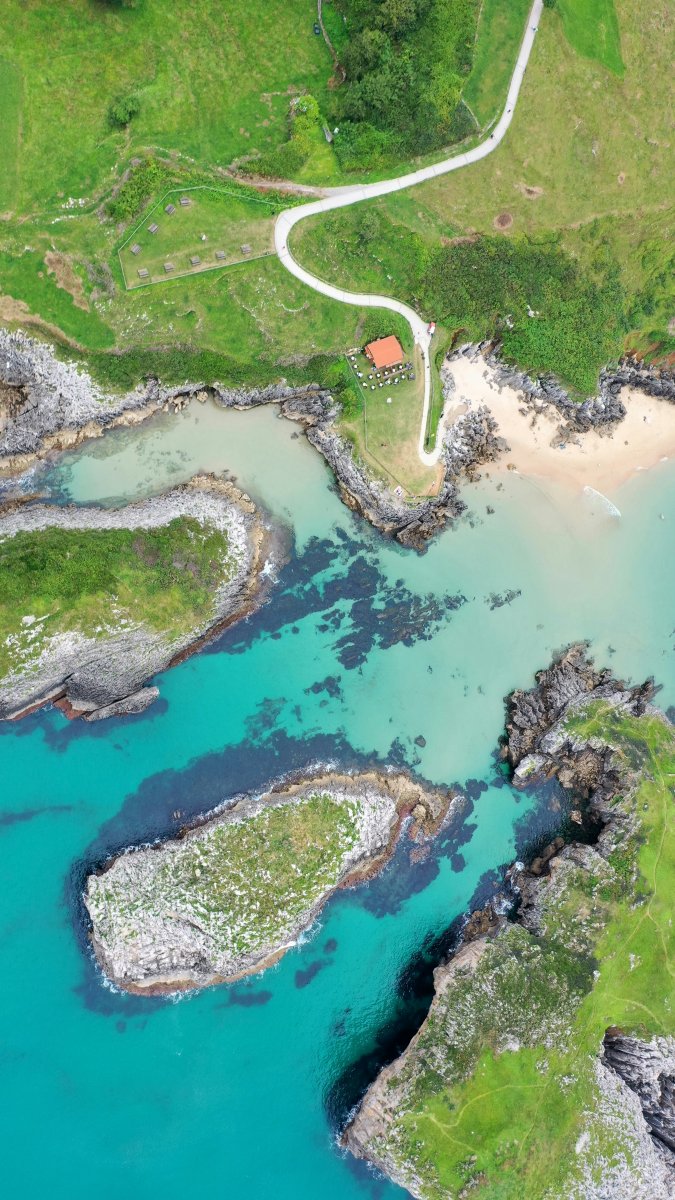
Most people who visit Spain spend their time in Barcelona, Madrid, or the beaches of Andalusia. Asturias sits quietly in the green northwest, largely unbothered by the crowds, and it's one of the most stunning corners of the entire country.
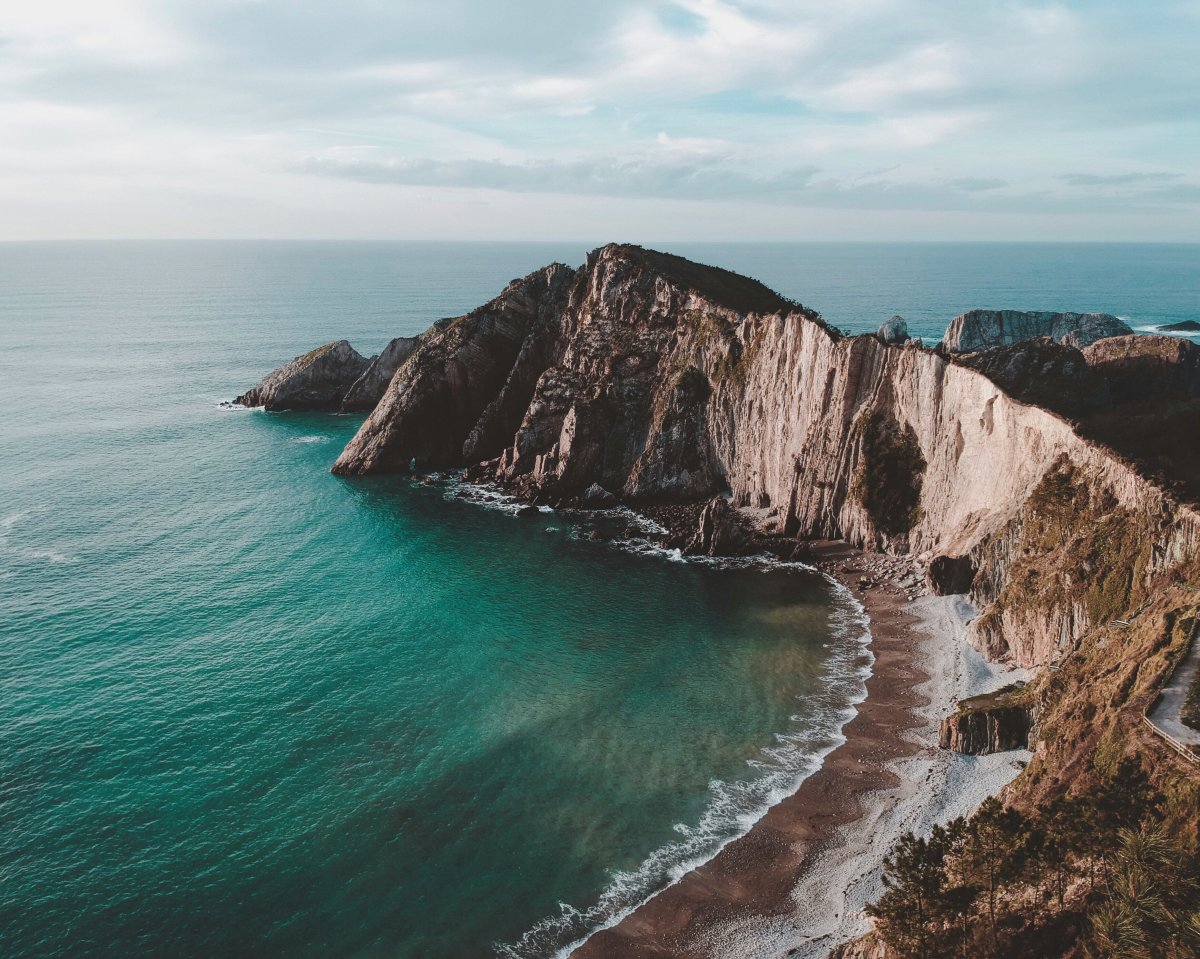
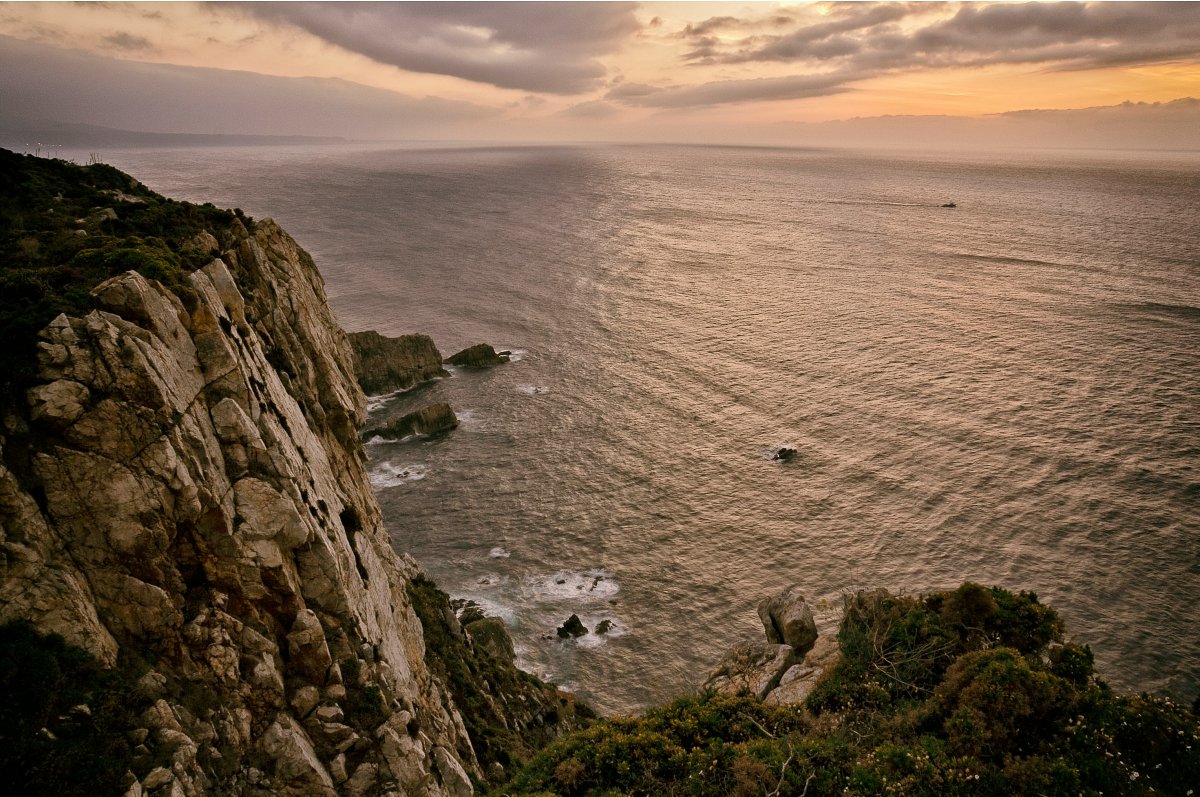
The landscape here looks nothing like what most people picture when they think of Spain. Dramatic cliffs drop into the Cantabrian Sea, mountain villages sit tucked inside the Picos de Europa, and the coastline is dotted with beaches that feel genuinely wild. The food culture rivals anything you'd find in San Sebastián: Asturias is the home of sidra (cider), slow-cooked fabada stew, and some of the best seafood in Europe.
It's also one of the oldest regions in Spain, with a pre-Romanesque architectural tradition that predates most of what tourists flock to elsewhere. If you've already done Barcelona and want something that actually surprises you, Asturias is ready.
Best for: Nature lovers, food travelers, history seekers who want fewer selfie sticks.
 Plan your trip to Asturias, Spain
The Azores, Portugal
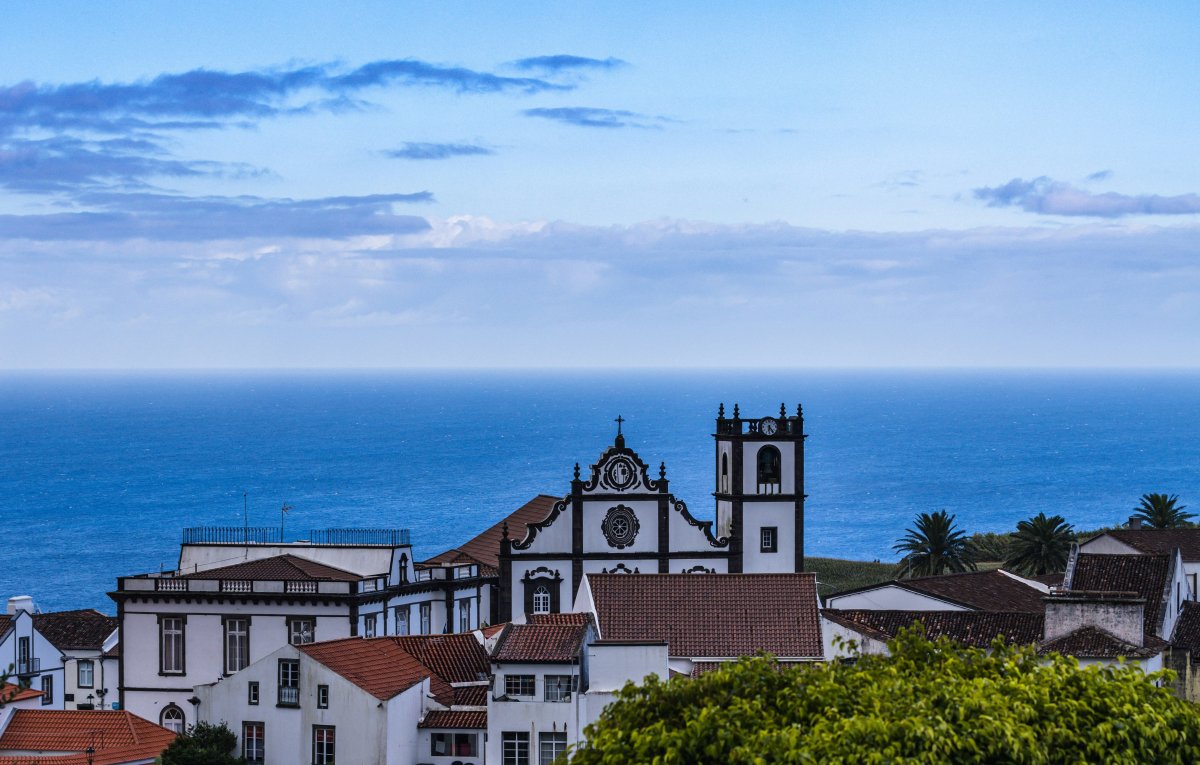
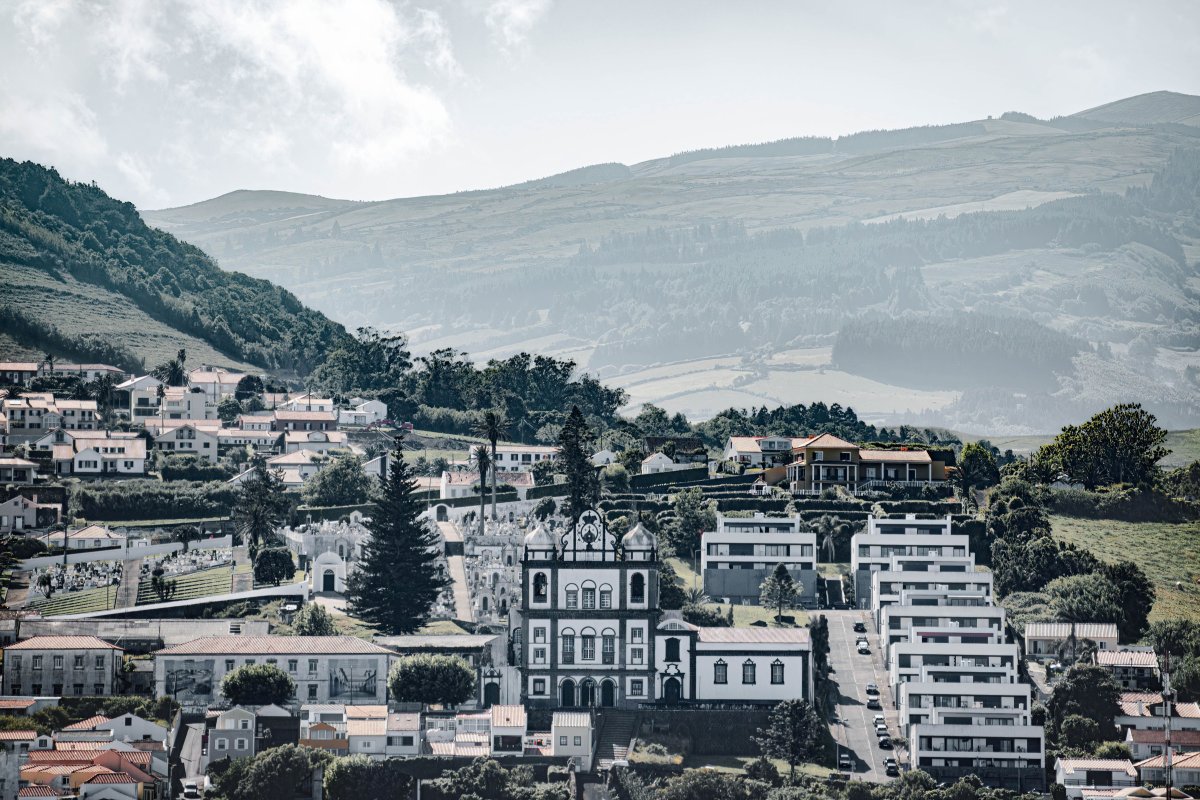
Nine volcanic islands sitting in the middle of the Atlantic, roughly equidistant between Europe and North America. The Azores look like someone dropped a piece of Iceland into the tropics and forgot to tell anyone.
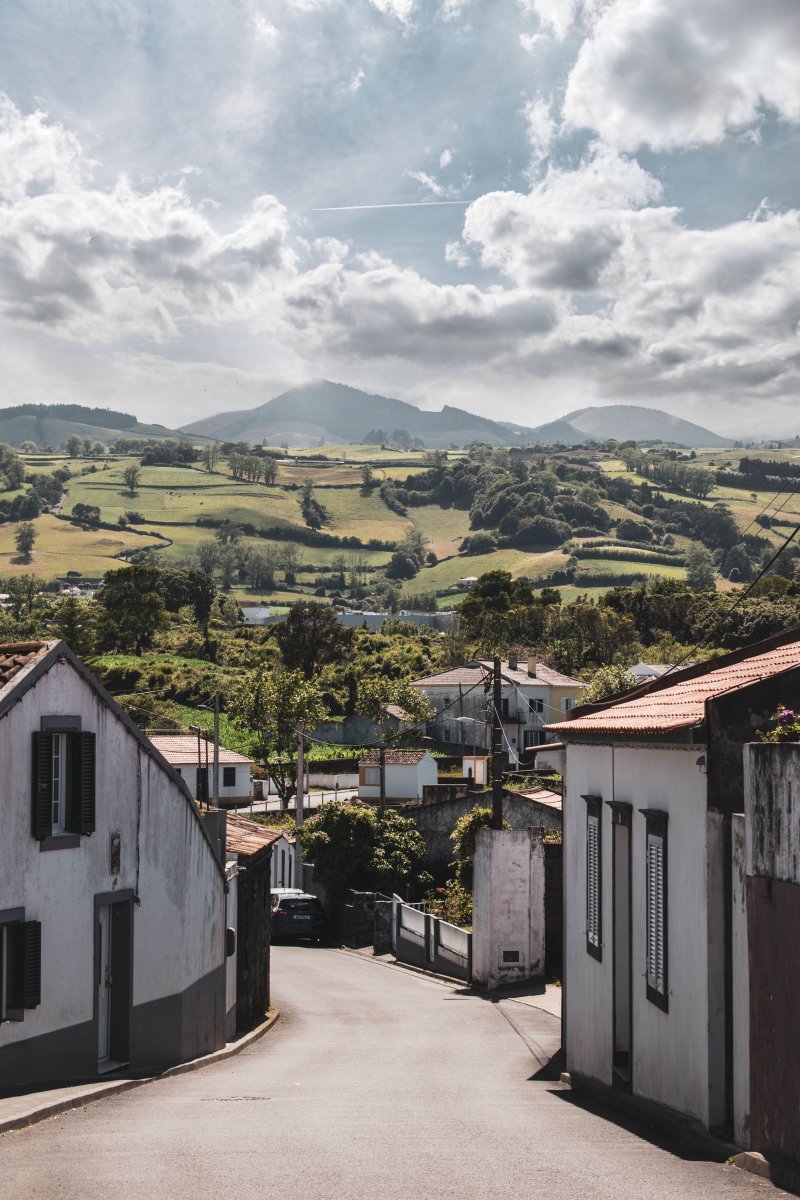
São Miguel, the largest island, has crater lakes so vivid they almost look edited. Geothermal pools bubble up from the ground. Whale watching here is some of the best in the world, with blue whales, sperm whales, and dolphins passing through regularly. The hiking trails cut through landscapes that shift from lush hydrangea-lined roads to black lava fields to ocean overlooks within a single afternoon.
Despite being a Portuguese autonomous region with direct flights from major European and American cities, the Azores remain far less visited than they deserve. Part of that is awareness. Part of that will change once more travelers realize you can fly here for roughly the same cost as Lisbon, and arrive somewhere that feels genuinely remote.
Best for: Hikers, whale watchers, anyone who wants dramatic nature without the Patagonia price tag.
Isla Holbox, Mexico
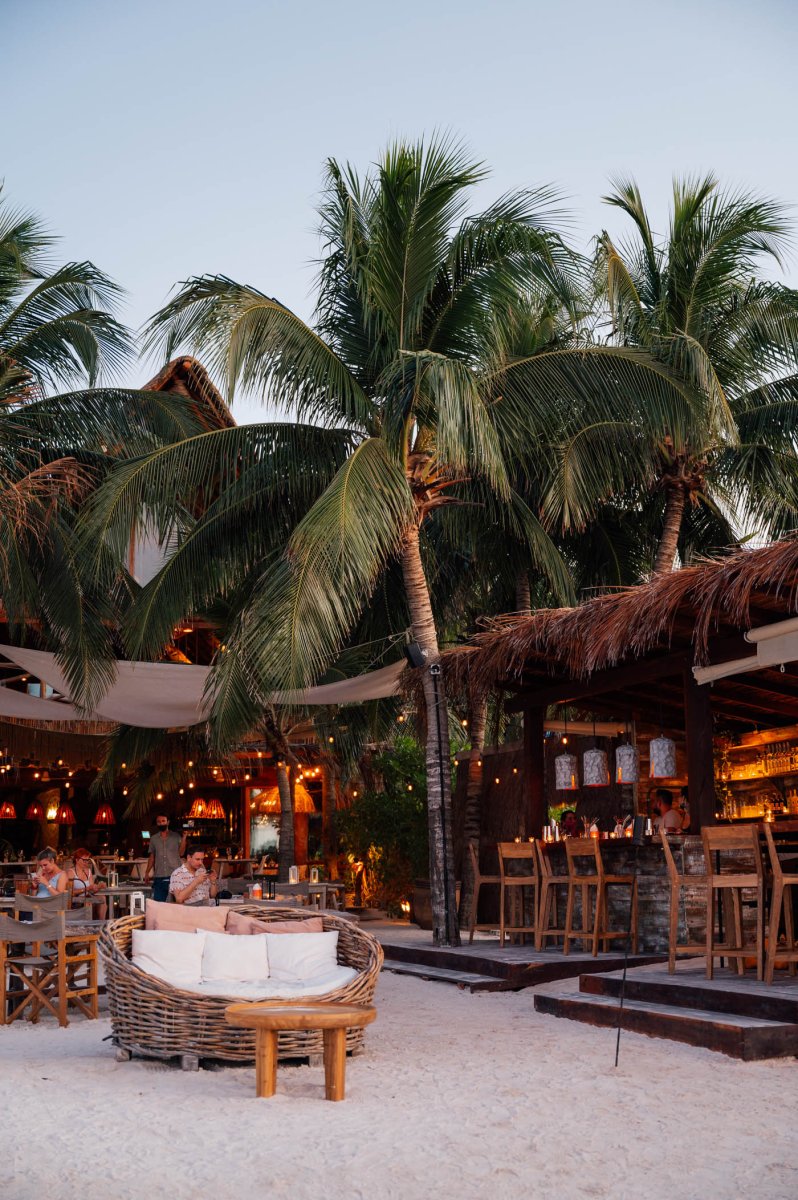
Mexico has no shortage of beautiful beaches, which might be exactly why Holbox keeps slipping through the cracks. It sits off the northeastern tip of the Yucatán Peninsula, connected to the mainland only by ferry, and it operates on a different frequency than most Mexican beach destinations.
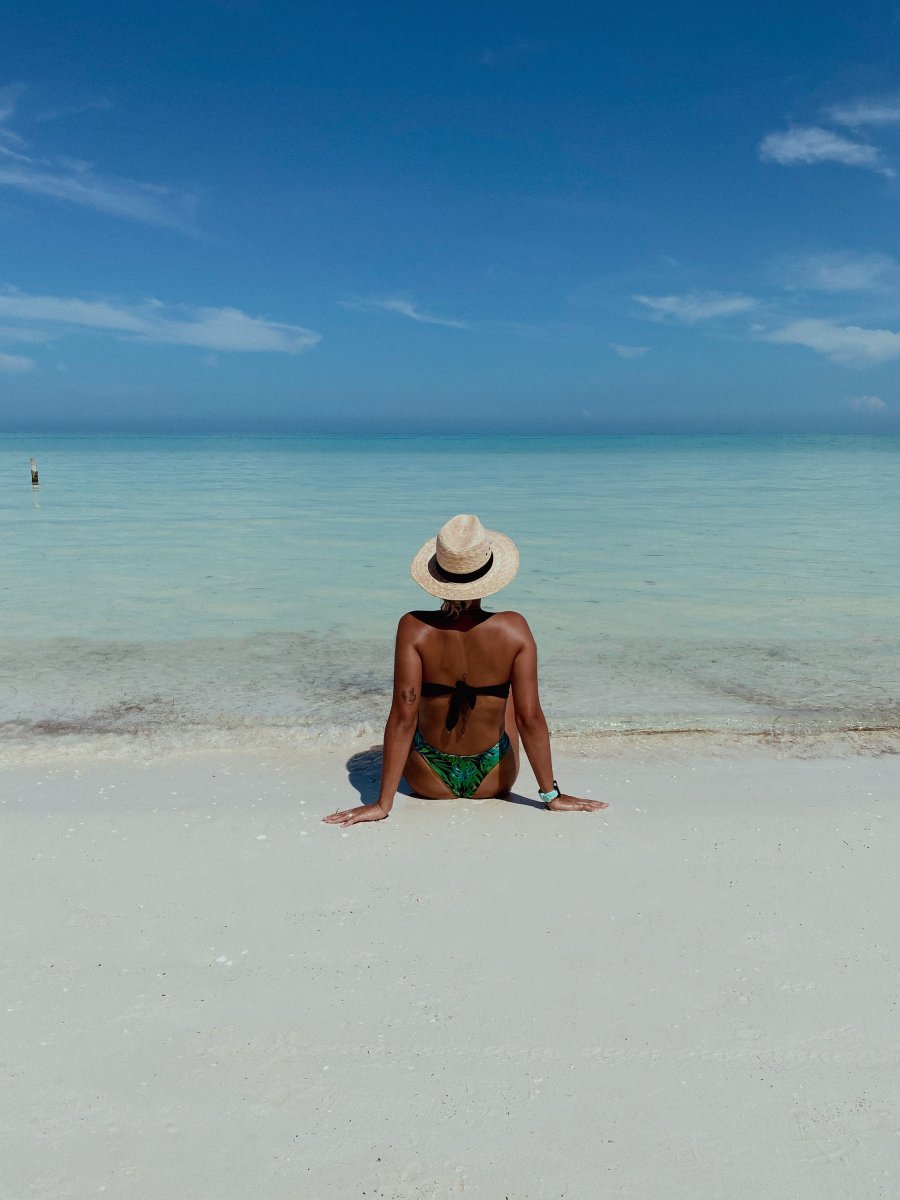
There are no paved roads. Golf carts and bicycles are the primary transportation. The main town is a loose grid of sandy streets, hammock bars, and seafood shacks serving fresh lobster pizza and ceviche. The water in the lagoon is so calm and shallow that you can walk out hundreds of meters before it reaches your chest.
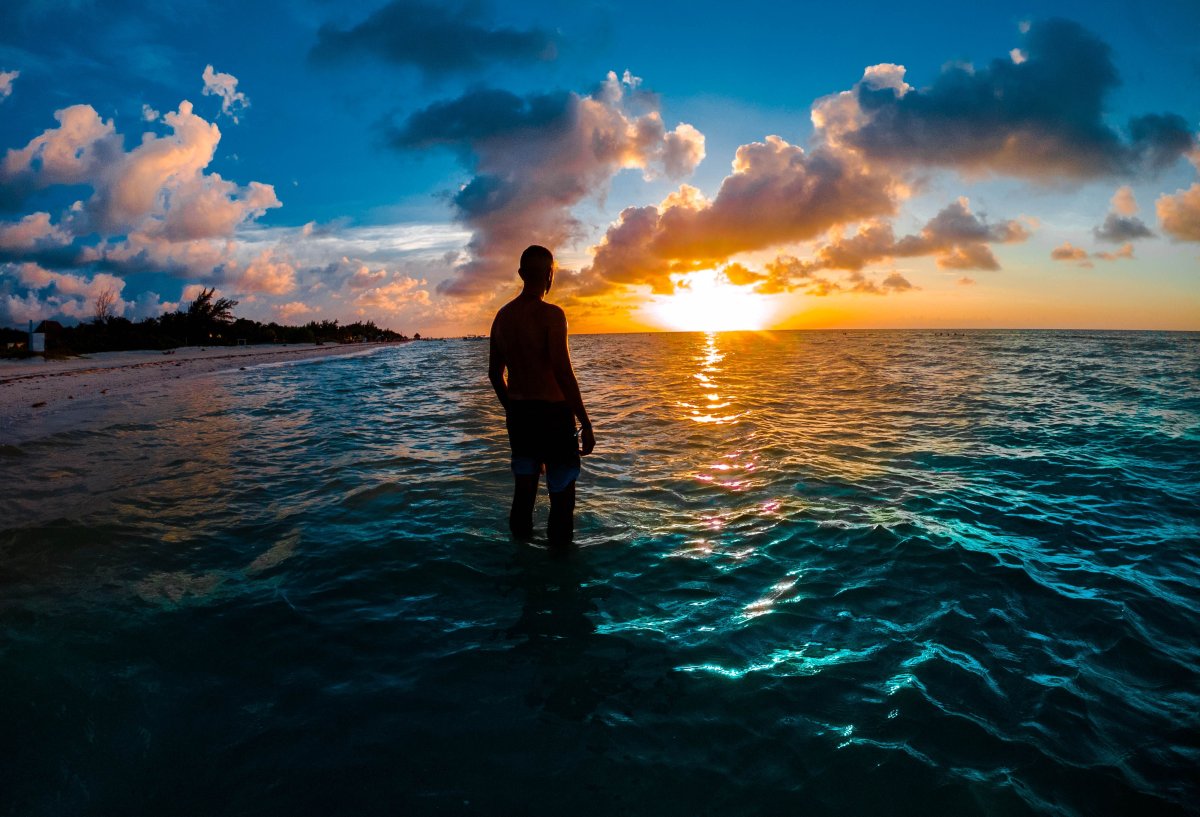
From June through September, whale sharks gather in the surrounding waters, making Holbox one of the only places on earth where you can swim with the largest fish in the ocean in a relatively uncrowded setting. The sunsets are world-class, and the pace is the kind that makes you forget what day it is within about 48 hours.
Best for: Beach travelers looking to disconnect, wildlife enthusiasts, anyone burned out on Cancún or Tulum.
Isle of Eigg, Scotland
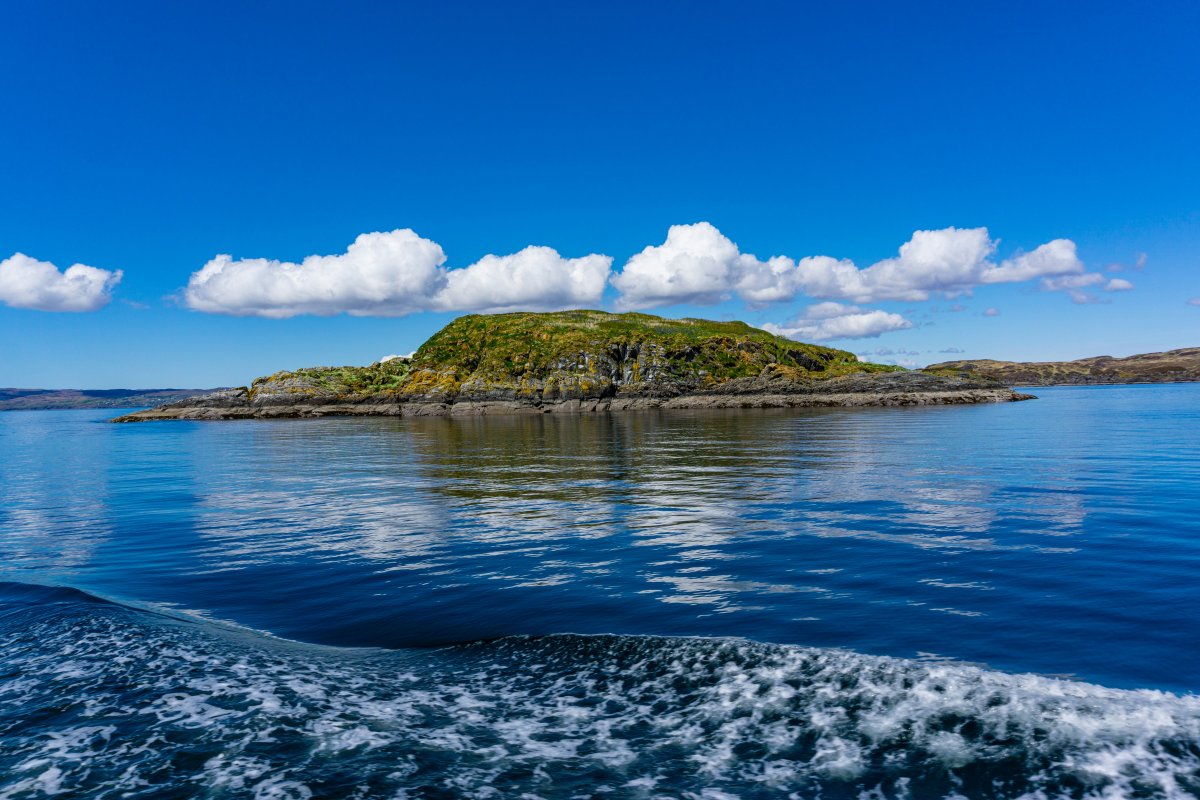
Eigg is a small island off the west coast of Scotland that most people have never heard of. It has a permanent population of around 100 people and is only accessible by ferry. It is also one of the most remarkable places in the British Isles.
The island is community-owned, meaning the residents bought it from private landowners in 1997 in a move that made international headlines and became a model for land reform across Scotland. That independence shows in how the place feels: genuinely itself, without any of the performative tourism that softens the edges of more popular Scottish destinations.
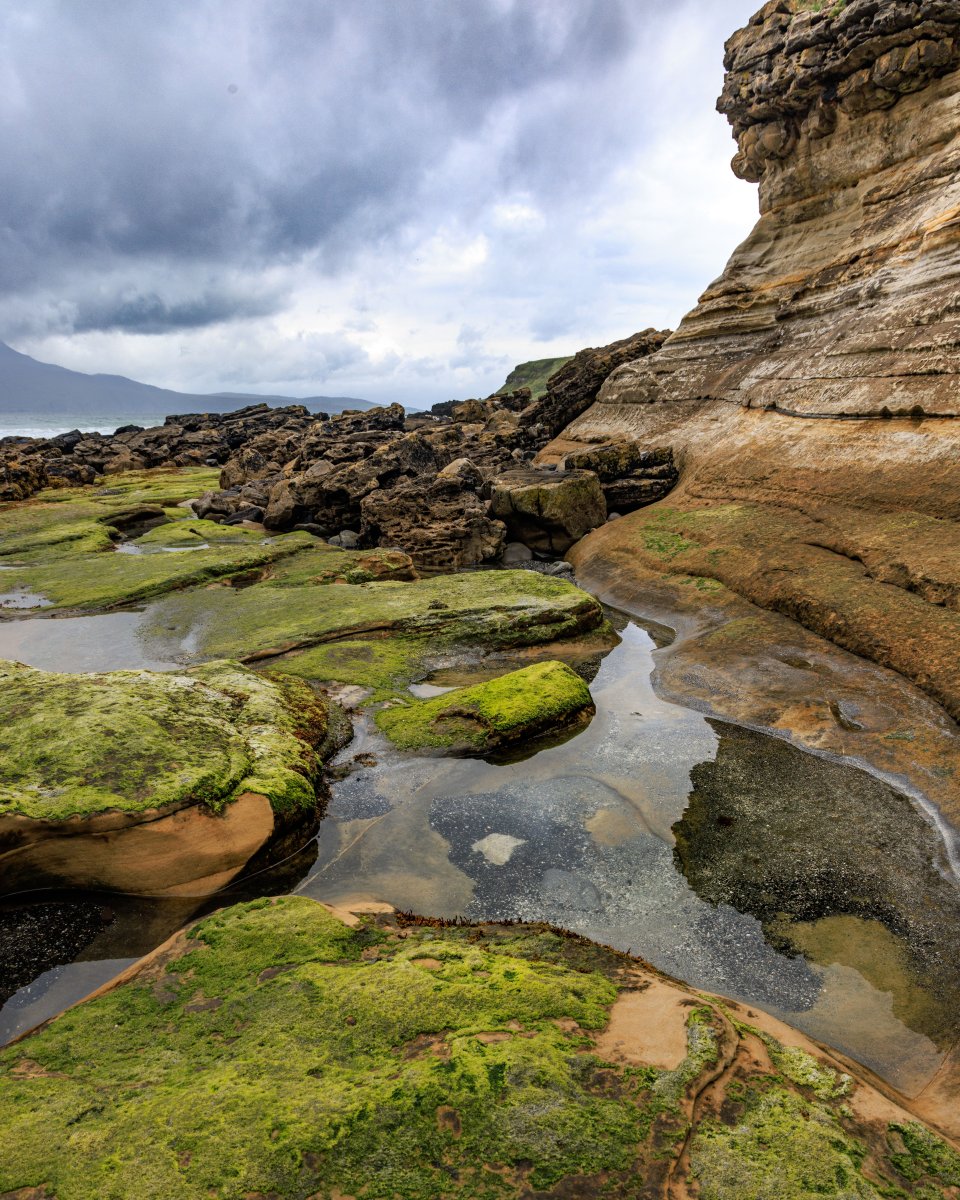
The geology is extraordinary. The Sgurr of Eigg, a dramatic basalt ridge, rises nearly 400 meters from the island's center and offers views on clear days that stretch to Skye, Mull, and the mainland. The beaches at Cleadale have white sand and clear green water that looks Caribbean until you feel the temperature. A fossilized dinosaur trackway runs along the shoreline.
Eigg is not for everyone. It's remote, the weather is unpredictable, and the ferry schedule runs the show. But for travelers who want something genuinely off the grid in a country that's mostly already been grid-mapped, it's hard to top.
Best for: Hikers, slow travelers, anyone who has done Edinburgh and the NC500 and wants something stranger and quieter.
Matsu Islands, Taiwan
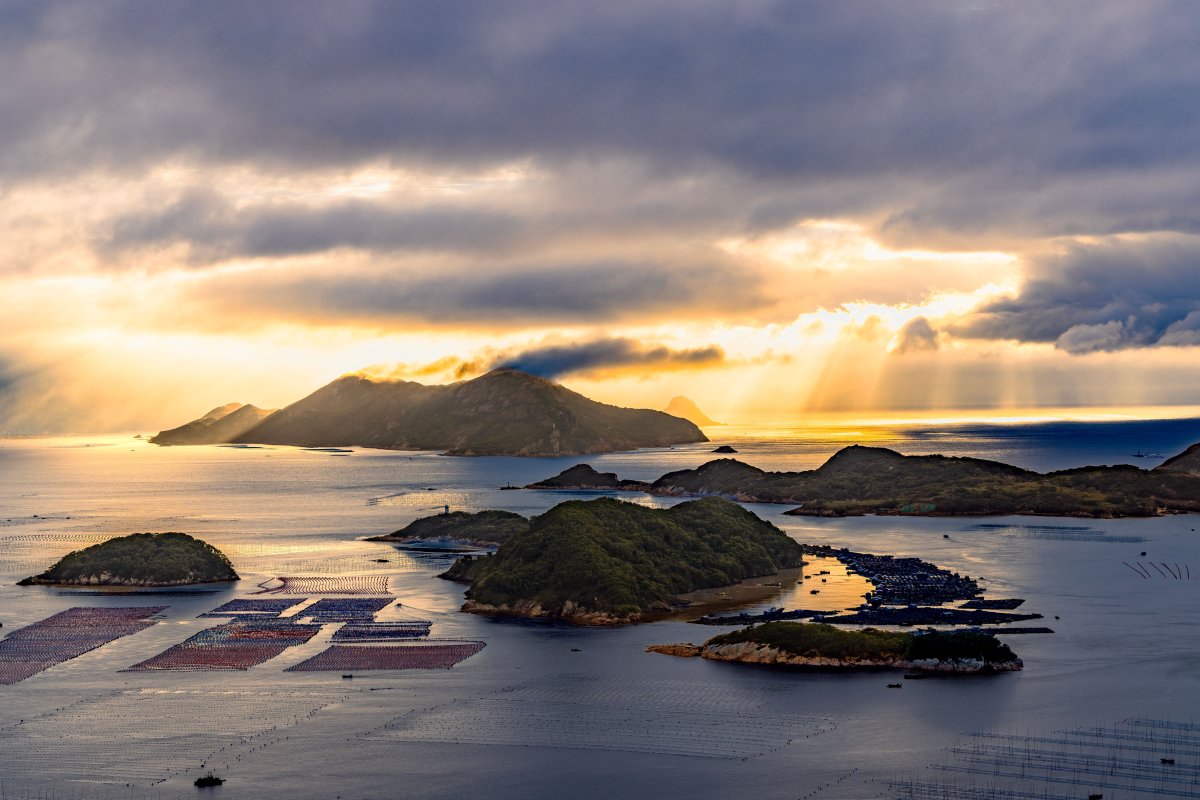
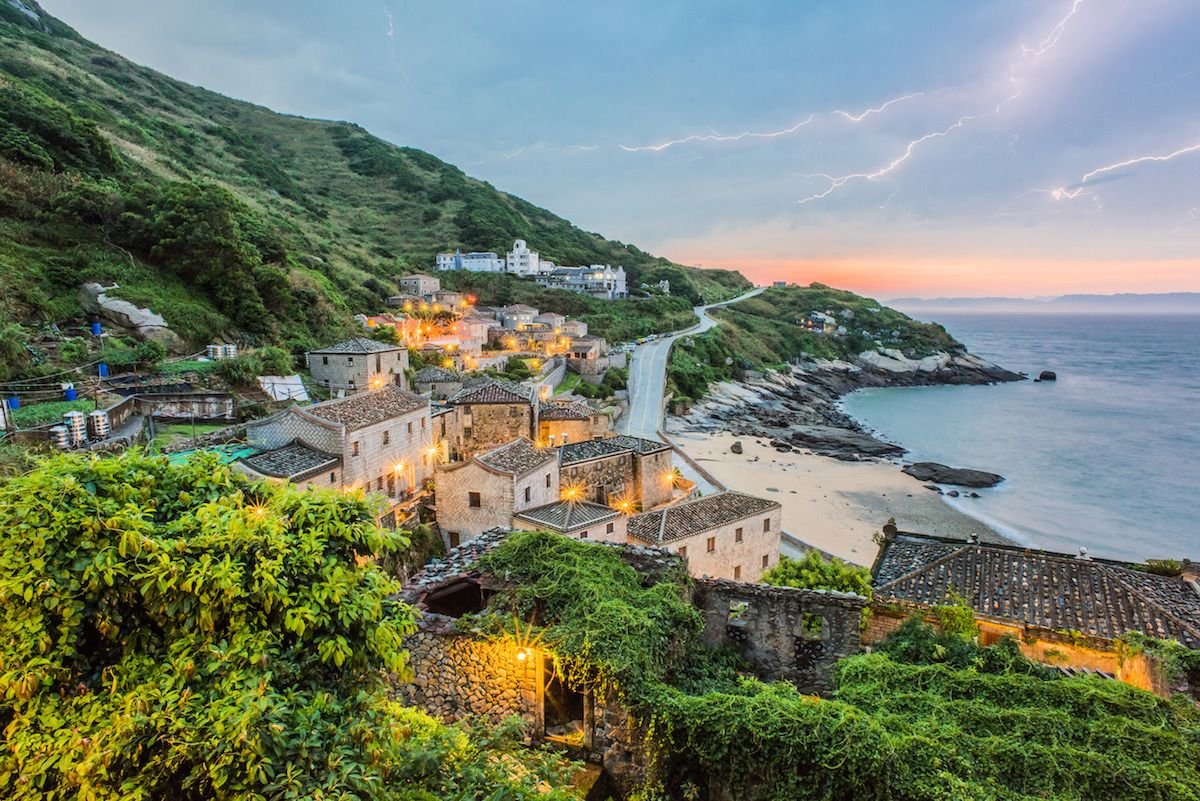
Taiwan gets a reasonable amount of attention from international travelers these days, but almost all of it lands in Taipei. The Matsu Islands, an archipelago of 36 islands administered by Taiwan and sitting just a few kilometers off the coast of mainland China, barely register on most itineraries.
That's a significant oversight. Matsu has one of the most unusual geographic and cultural situations of anywhere in the world: it was a frontline military outpost for decades, its granite cliffs still cut through with tunnels and fortifications built during the cross-strait tensions of the Cold War era. Those tunnels are now open to visitors and make for some of the most unexpectedly fascinating historical exploration in East Asia.
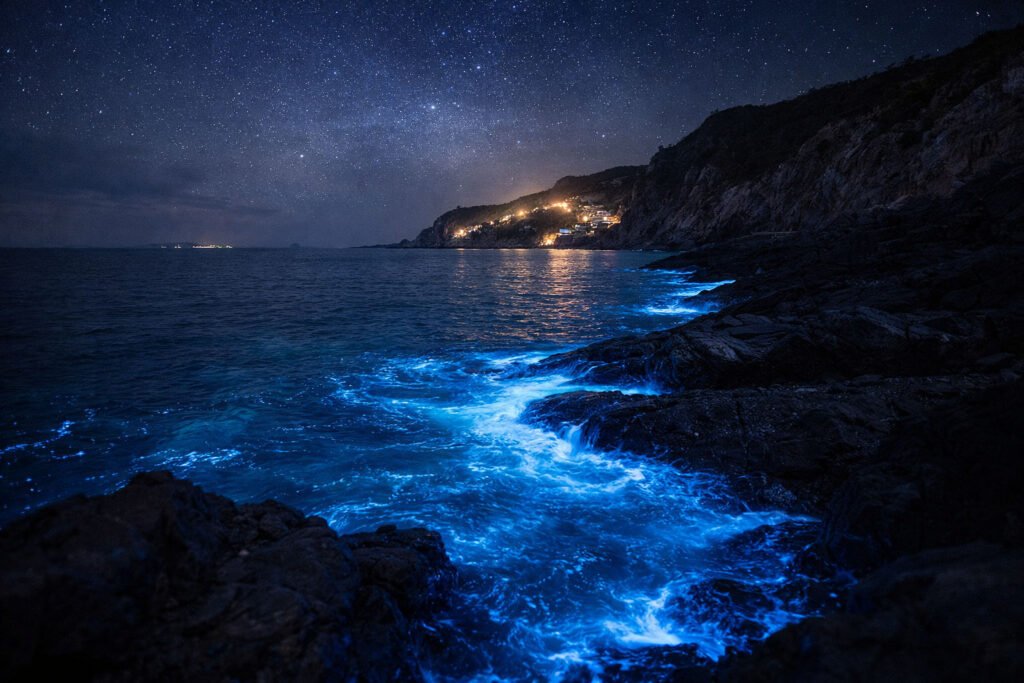
The islands are also home to an endemic subspecies of the blue-tailed bee-eater, dramatic granite coastlines, traditional Fujian-style architecture largely unchanged from centuries ago, and the famous blue tears phenomenon, where bioluminescent plankton lights the water in glowing blue at night during warmer months.
Getting there requires a short flight from Taipei or a ferry. The lack of mass tourism infrastructure is part of what preserves it. Visit before that changes.
Best for: History and military history buffs, nature photographers, travelers who want to go somewhere even well-traveled friends haven't been.
Patagonia, Chile
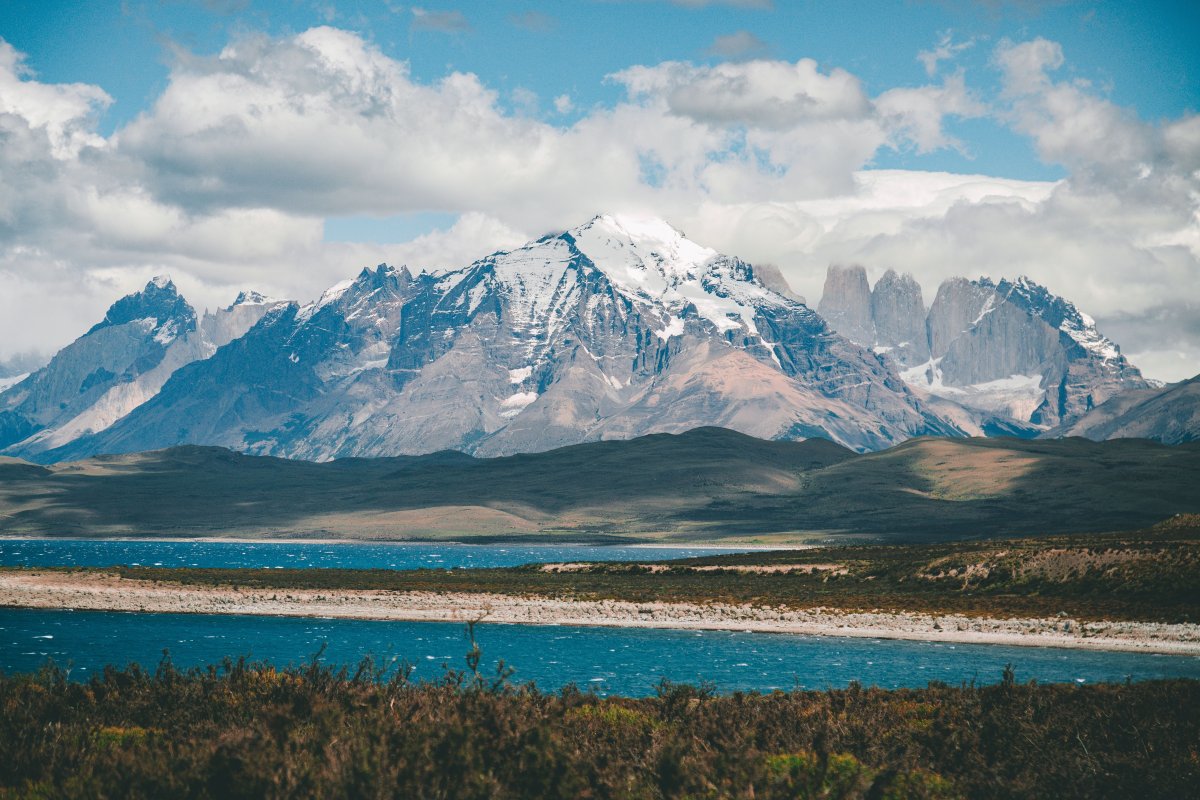
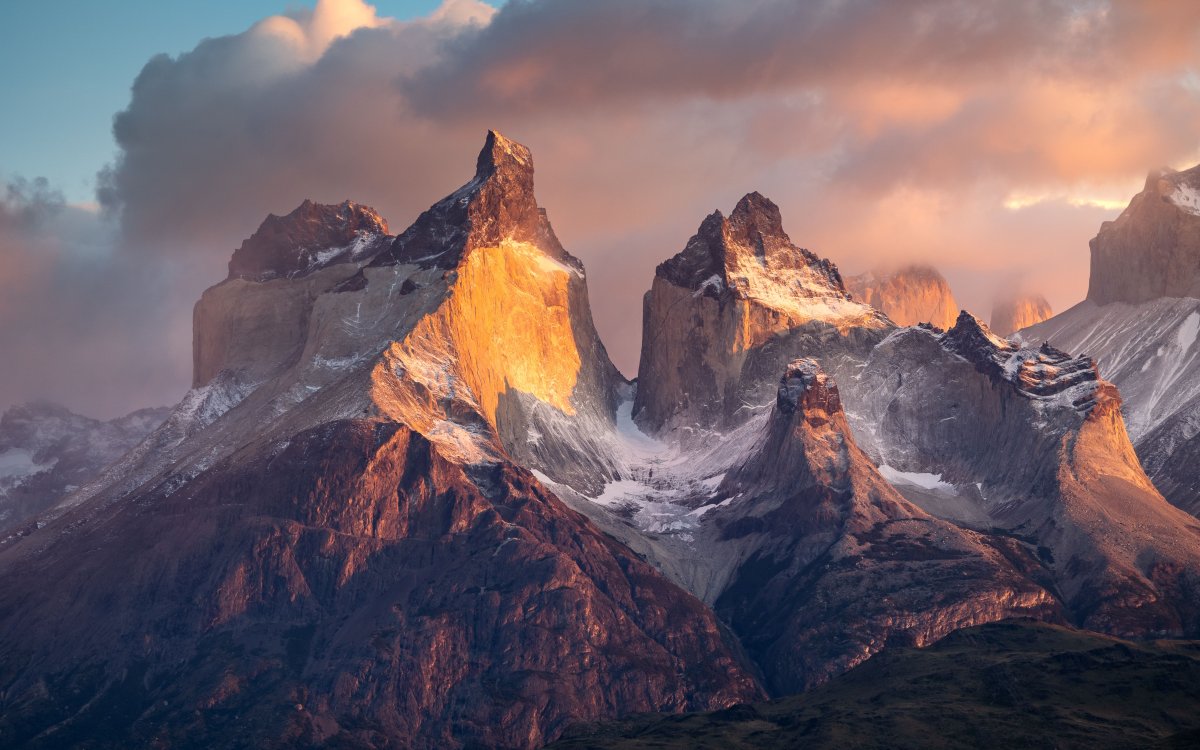
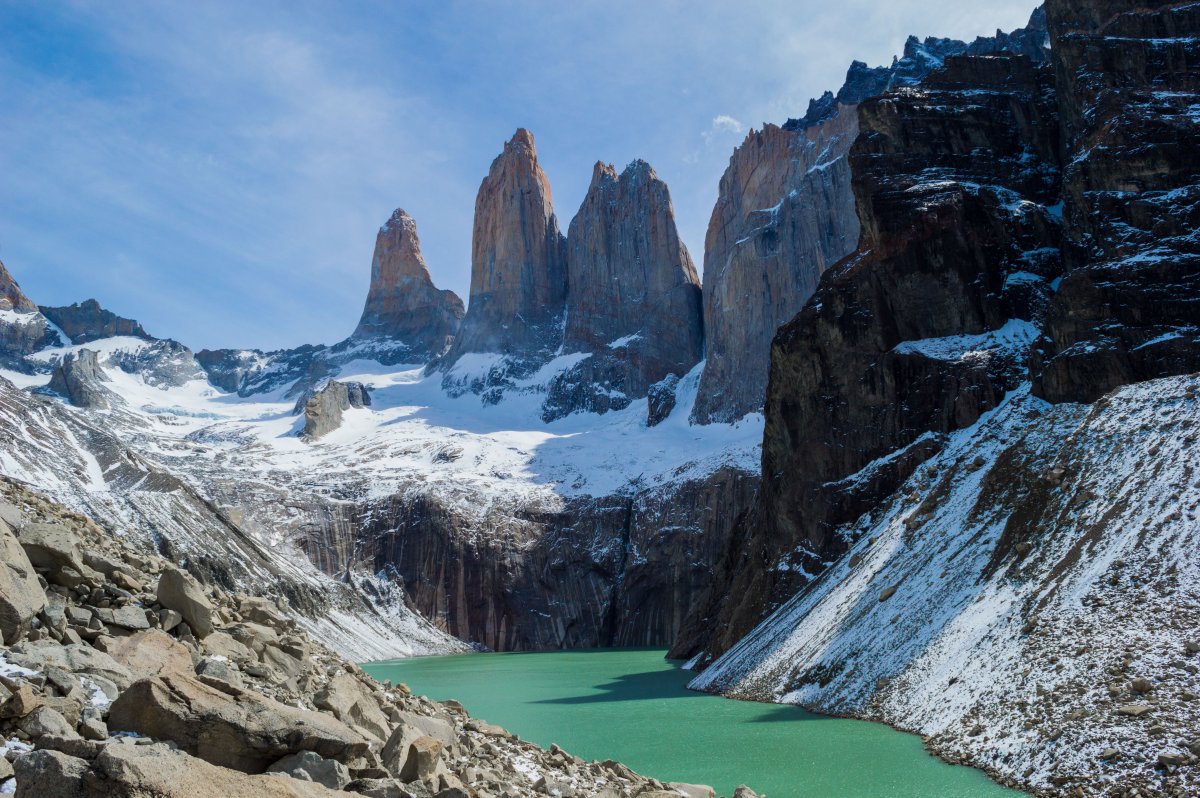
The Chilean side of Patagonia is not entirely unknown, but it deserves mention here because the gap between how extraordinary it is and how few people actually go remains wider than it should be. Torres del Paine gets the majority of the traffic, and even there the numbers are small by global standards. Head south toward Tierra del Fuego or west toward the Carretera Austral and you can go days without encountering another traveler.
This is a landscape that operates at a scale that resets your sense of proportion. Glaciers calve directly into fjords. Condors circle above jagged granite peaks. The light changes hour by hour in ways that no photograph quite captures. The wind on the steppe is the kind that requires you to actually lean into it to make progress.
Logistically, Patagonia takes effort. It's far, the infrastructure outside the main parks is sparse, and the weather does what it wants. That barrier is precisely what keeps the experience from being diluted. For travelers who have done Europe, Southeast Asia, and the usual North American destinations and want something that actually challenges their frame of reference, Chilean Patagonia is the answer.
Best for: Serious hikers, nature photographers, adventure travelers, anyone who wants to feel genuinely small in the best possible way.
Let Lily Help You Plan Your Trip
Any of these destinations catching your eye? Lily can build you a custom itinerary in minutes, complete with things to do, places to stay, and local experiences worth booking through Viator. Download Ribbit and tell her where you want to go.